

43e Festival International du Film sur l’Art — 13 au 23 mars 2025 —
43e Festival International du Film sur l’Art — 13 au 23 mars 2025 —
Partenaires Majeurs



dimanche 12 mai
dimanche
12 mai
13 h 30
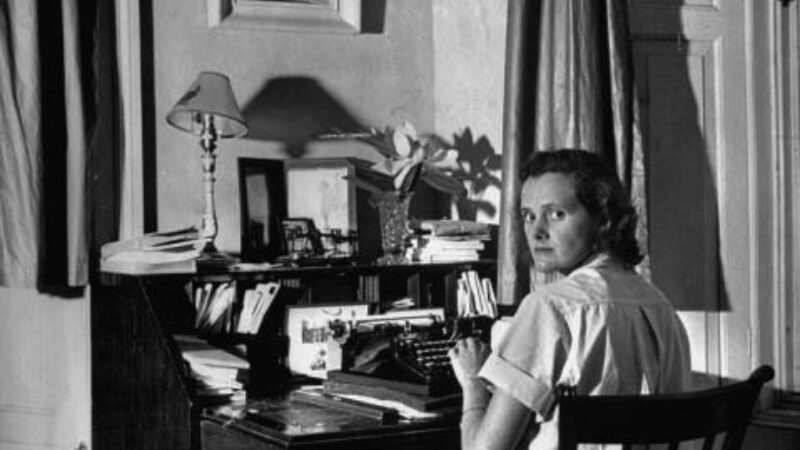
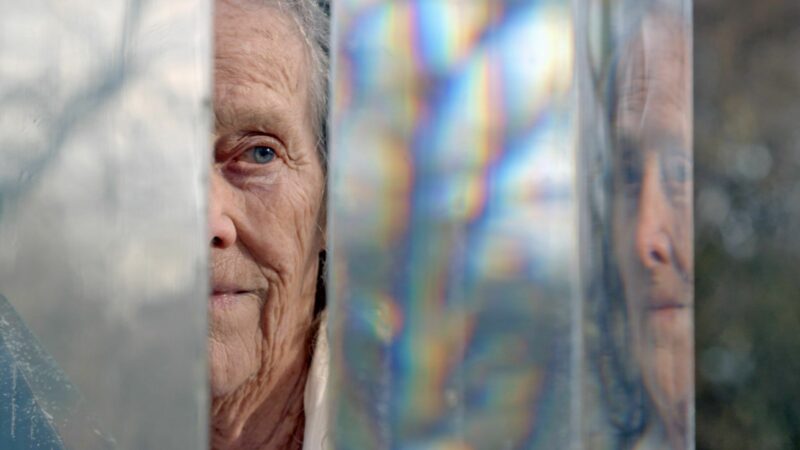
LES GIACOMETTI de Susanna Fanzun
Musée national des beaux-arts du Québec (Québec, Canada)

dimanche 12 mai
dimanche
12 mai
13 h 30
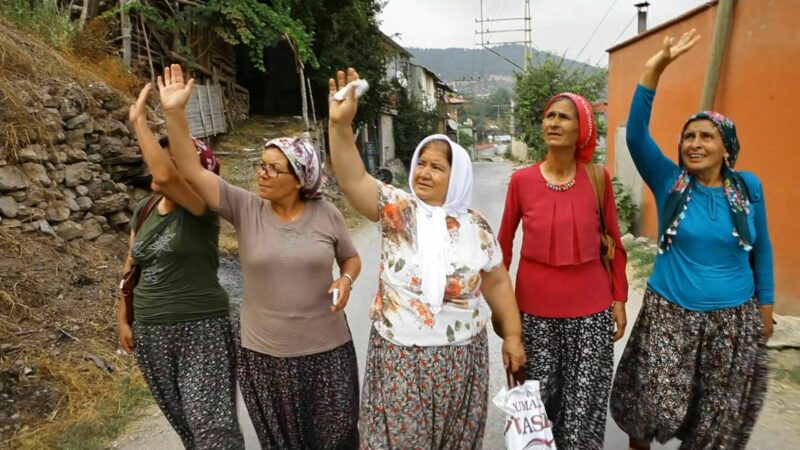
ASKI, LA MERE DE TOUS de Amélie Courtois
Musée national des beaux-arts du Québec (Québec, Canada)
samedi 18 mai
samedi
18 mai
19 h 00
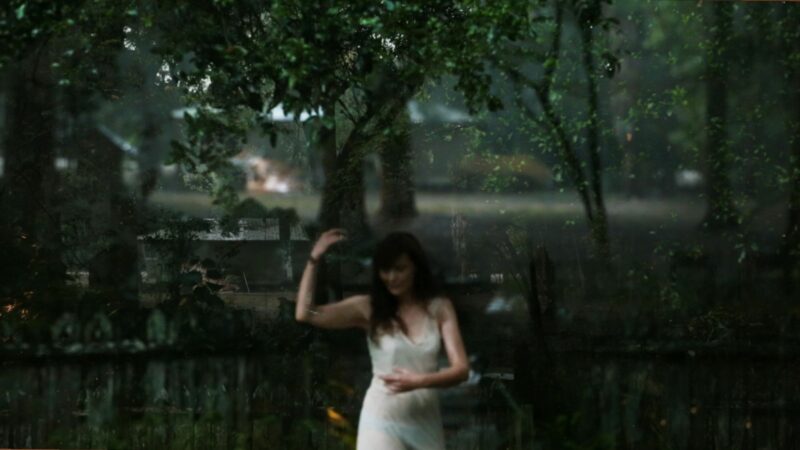
LE FIFA À L’OLYMPIADE CULTURELLE PARIS 2024 [GRATUIT]
Nuit européenne des musées au Centre Culturel Canadien (Paris, France) — 19h, 20h30 | Programme Les corps en mouvement
dimanche 19 mai
dimanche
19 mai
16 h 00
CESÁRIA ÉVORA, LA DIVA AUX PIEDS NUS de Ana Sofia Fonseca
Théâtre Outremont (Montréal, Canada)





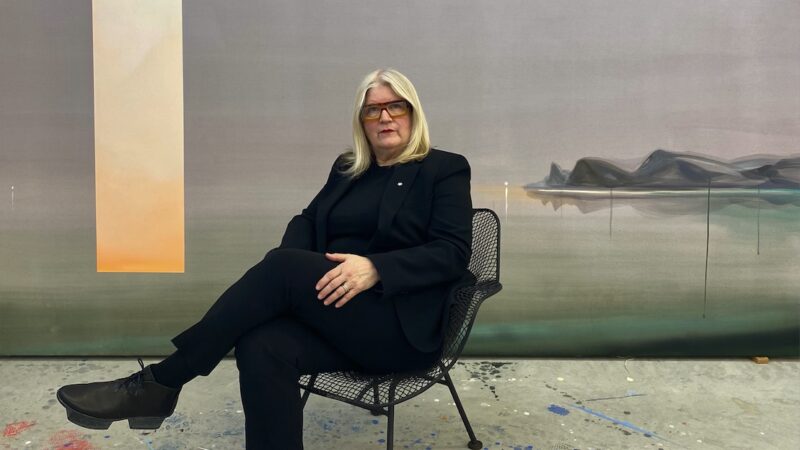
30.04.2024
Le FIFA aux Jeux olympiques de Paris 2024
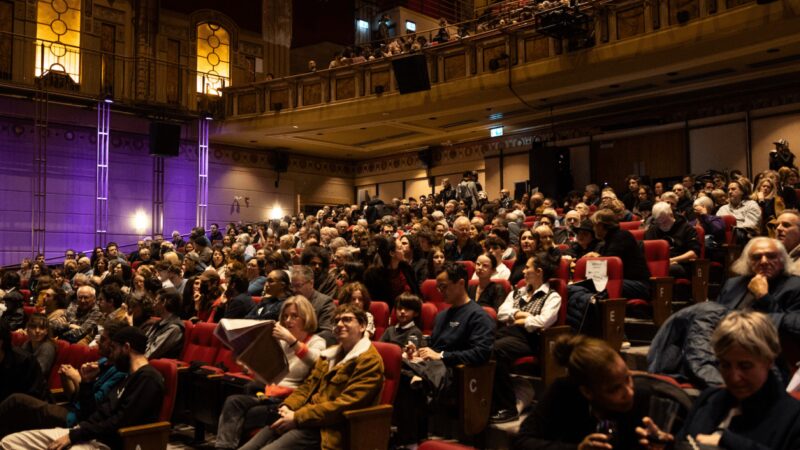
10.04.2024
ARTS.FILM s’associe au MBAM et présente 2 films sur Wanda Koop en visionnement gratuit
08.04.2024
La 42e édition du FIFA en 10 temps
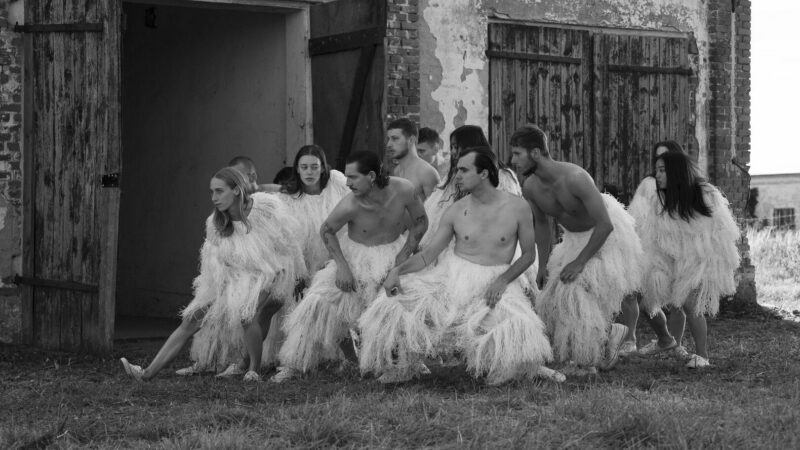
20.03.2024
FIFA Expérimental à Concordia
20.03.2024
5 choses immanquables ce week-end
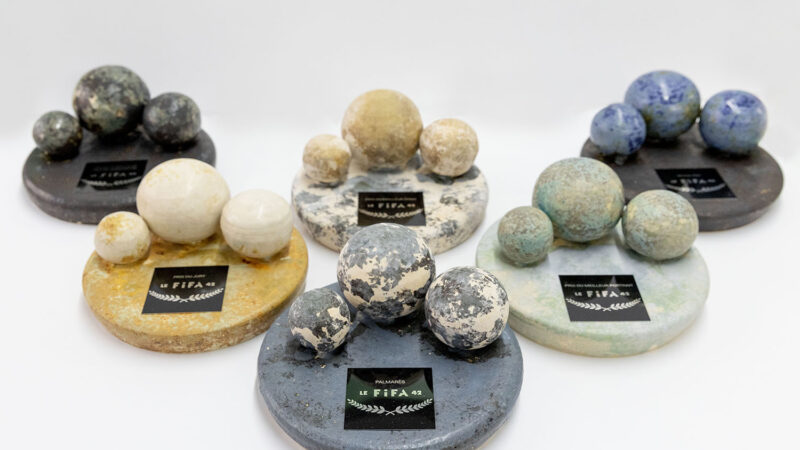
18.03.2024
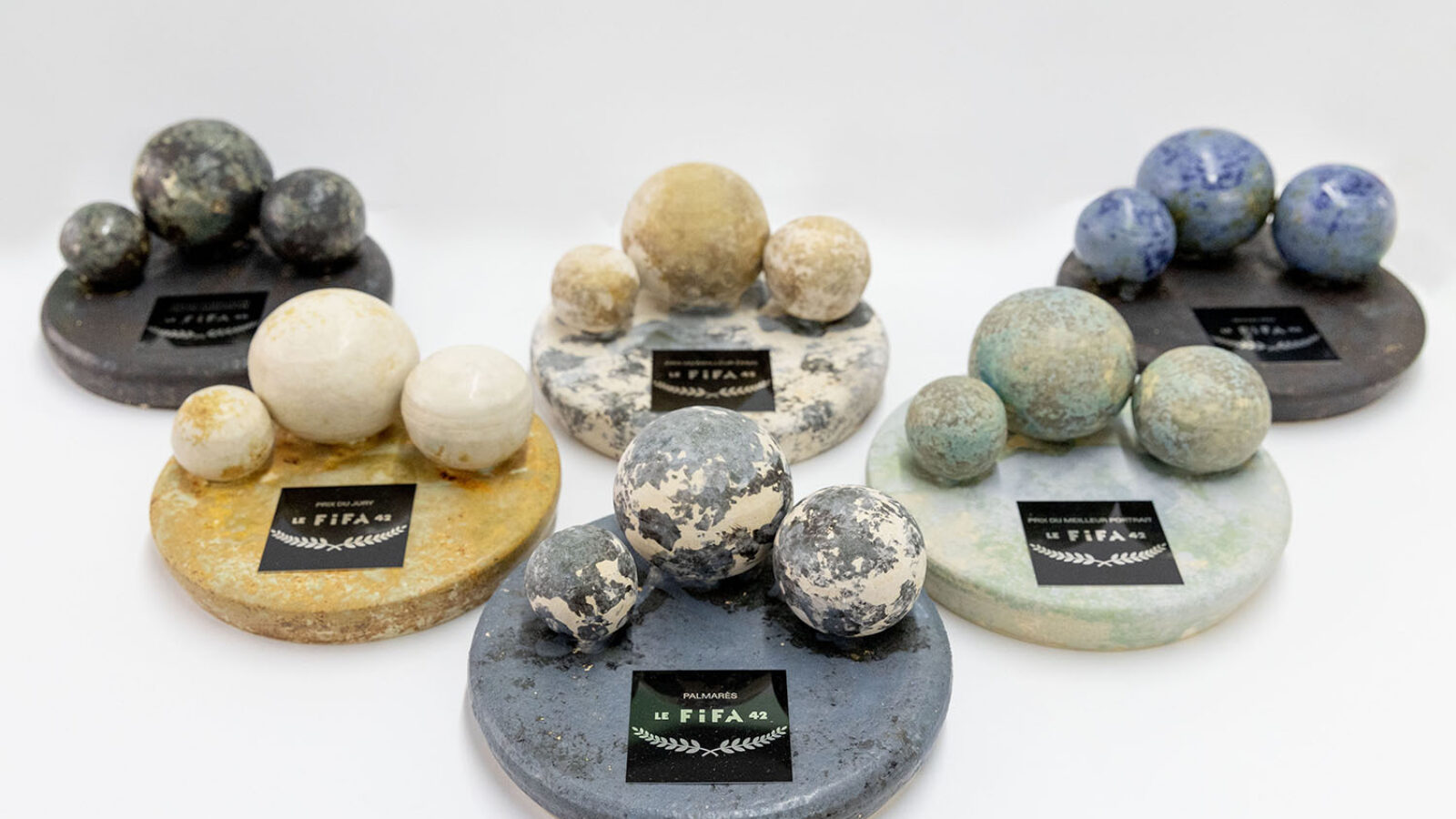
Découvrez l’artiste derrière les trophées de la 42e édition du FIFA
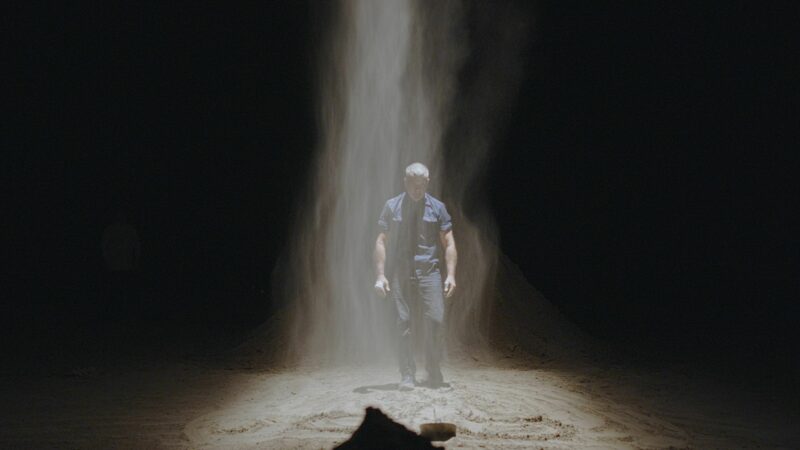
17.03.2024
Sisyphe : Victor Pilon et sa pelle de 300 tonnes
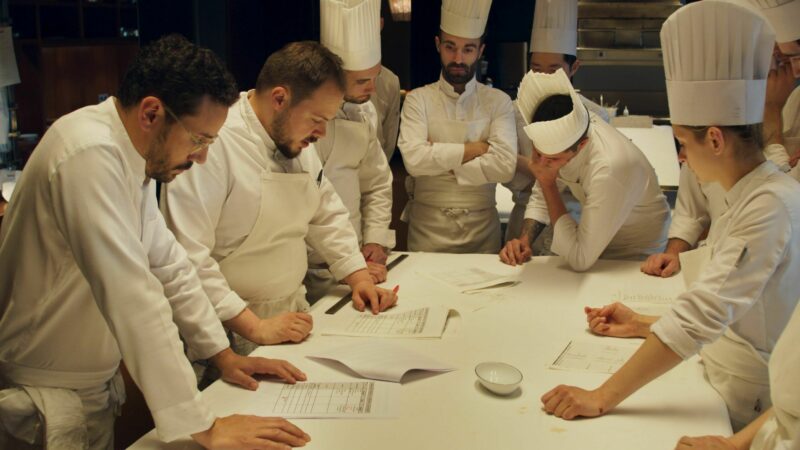
17.03.2024
À déguster au FIFA

16.03.2024
Votre ville prendra-t-elle soin de vous ?

15.03.2024
Le FIFA représentera le Canada à l’Olympiade Culturelle Paris 2024
13.03.2024
Le Centre PHI accueille une projection-discussion sur l’IA
13.03.2024
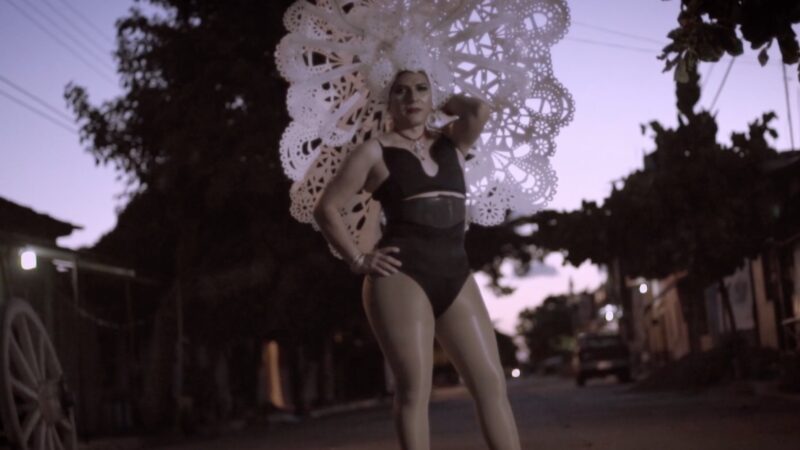
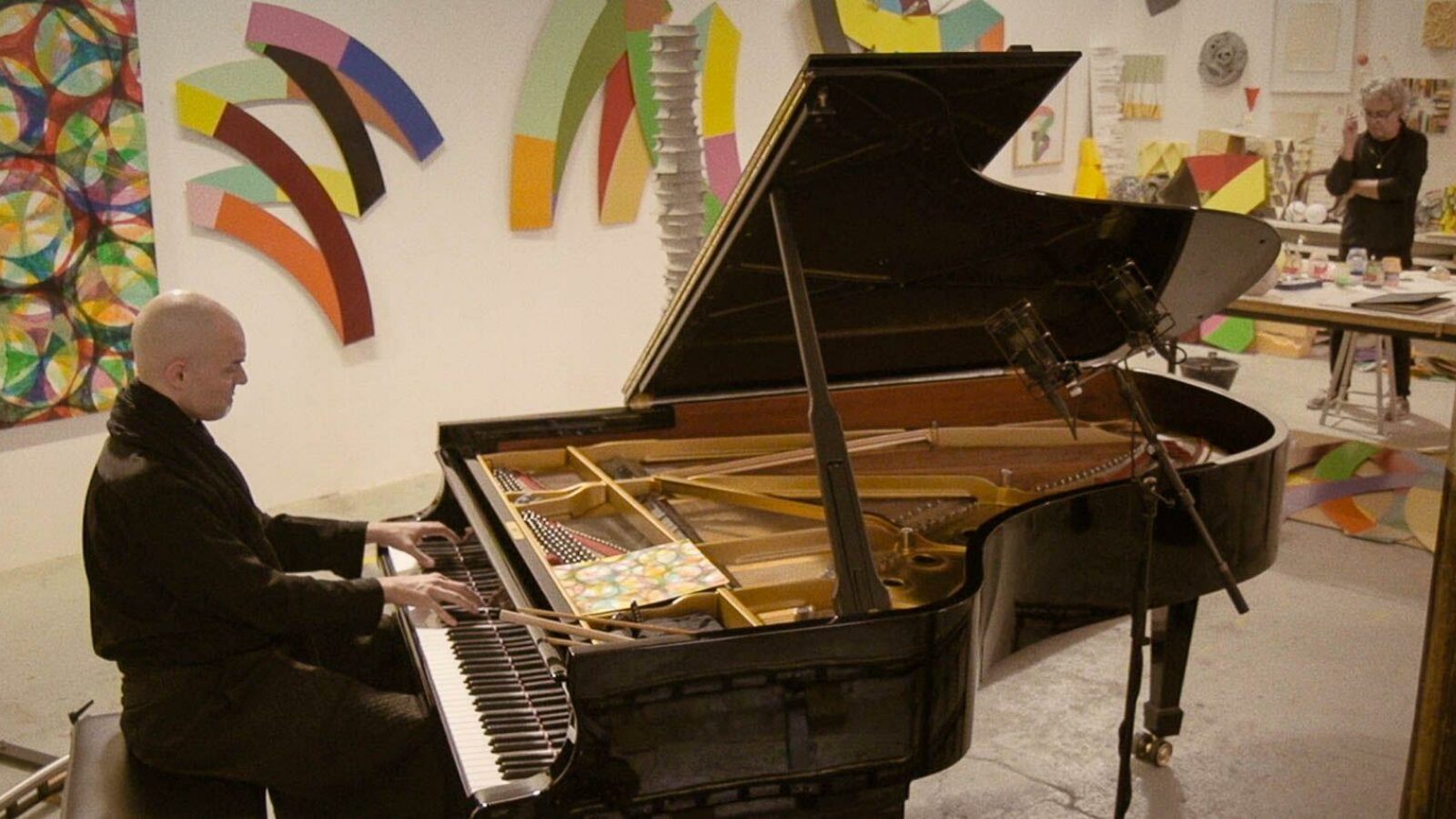
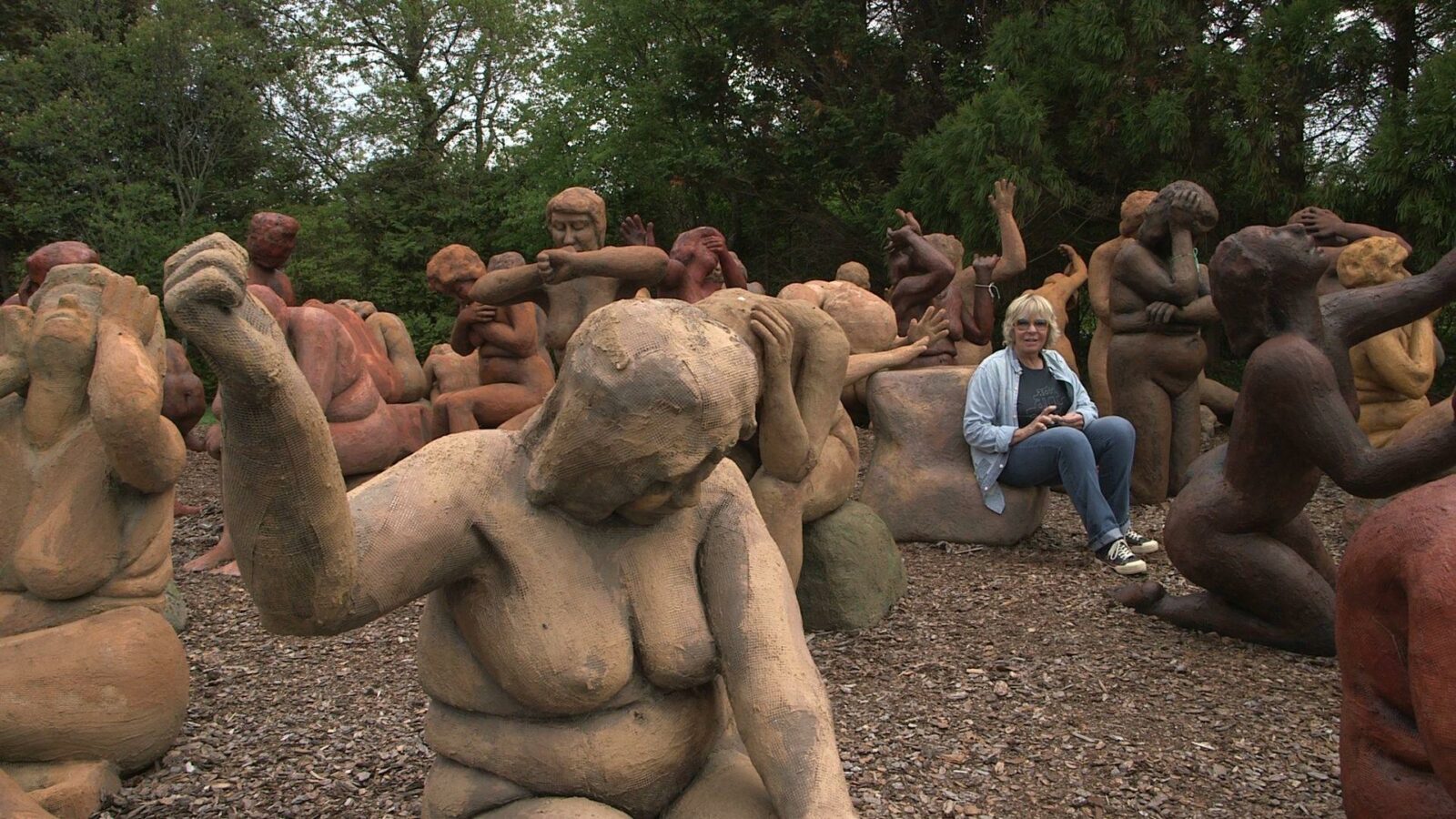
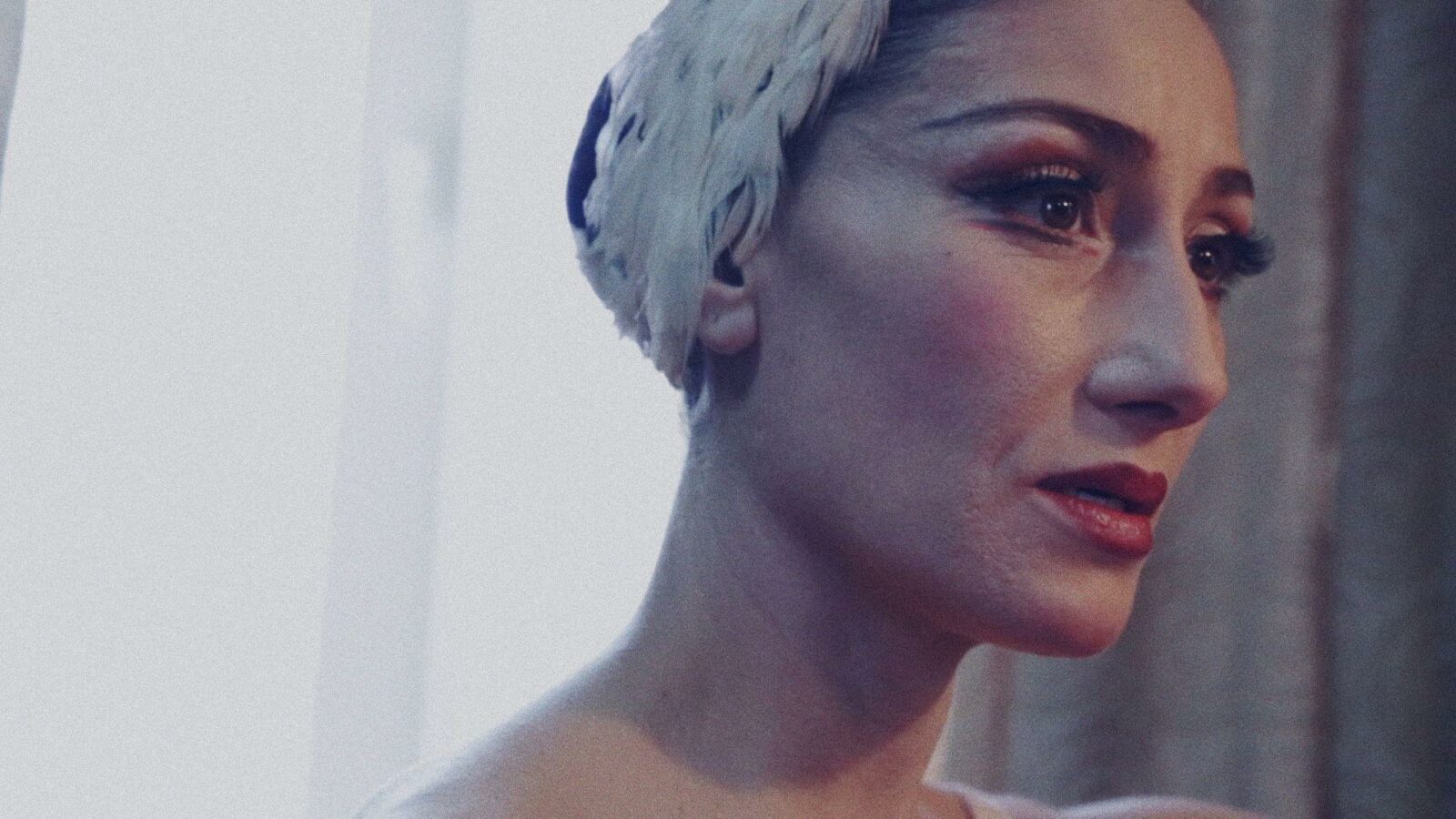
Les cartes blanches du FIFA !
A
R
T
S
A
R
T
S
.
F
I
L
M
.
F
I
L
M
Visionnez des films sur l’art n’importe quand et n’importe où sur ARTS.FILM.